
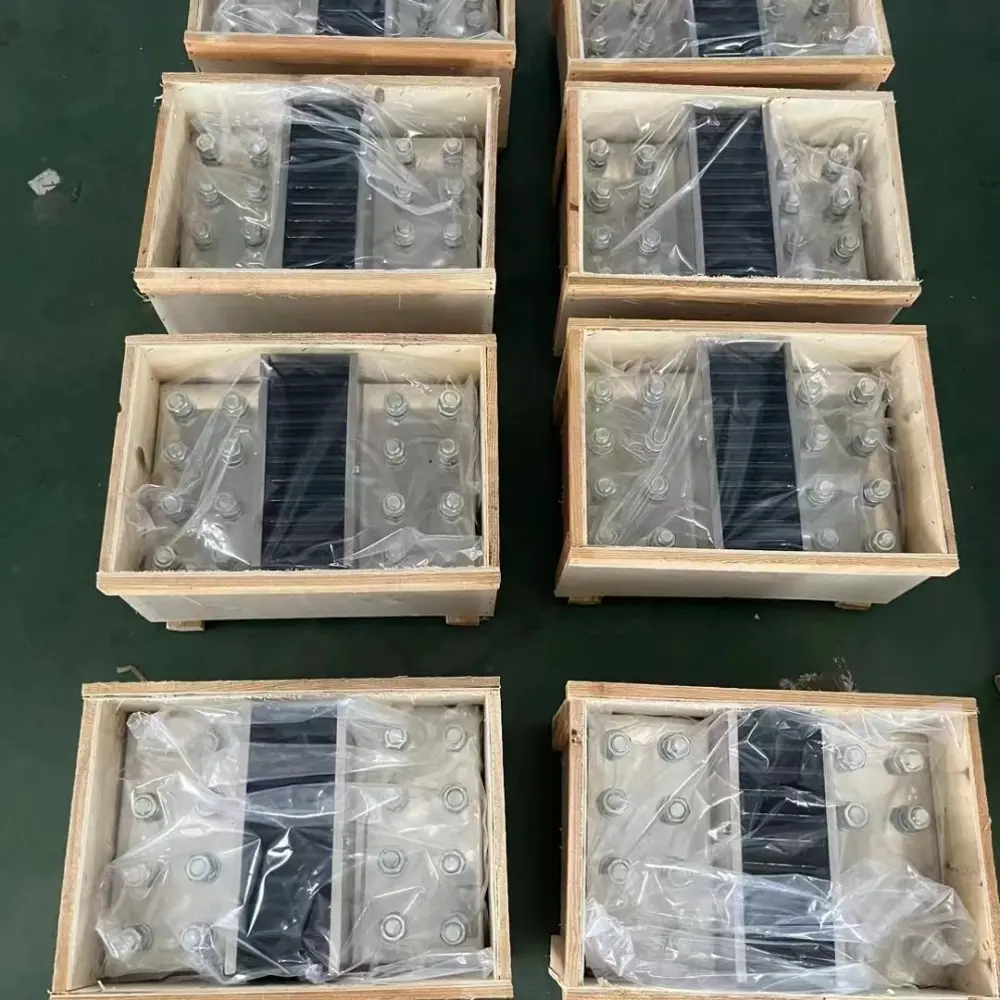
In high-power industrial electronics, the gap between “operational” and “optimized” is measured in millivolts. We recognize that for a Lead Electrical Engineer, a dc shunt application is not just a resistor; it is a critical safety component that must provide a predictable voltage drop under harsh conditions. Whether integrated into a megawatt-scale BMS system or a robotic welding cell, the reliability of your data starts with the physical integrity of the shunt’s Manganin-to-copper interface.
Simplified Integration: By producing a standard 50–100 mV output, these shunts bypass the complex shielding requirements of digital sensors in high-EMI industrial zones.
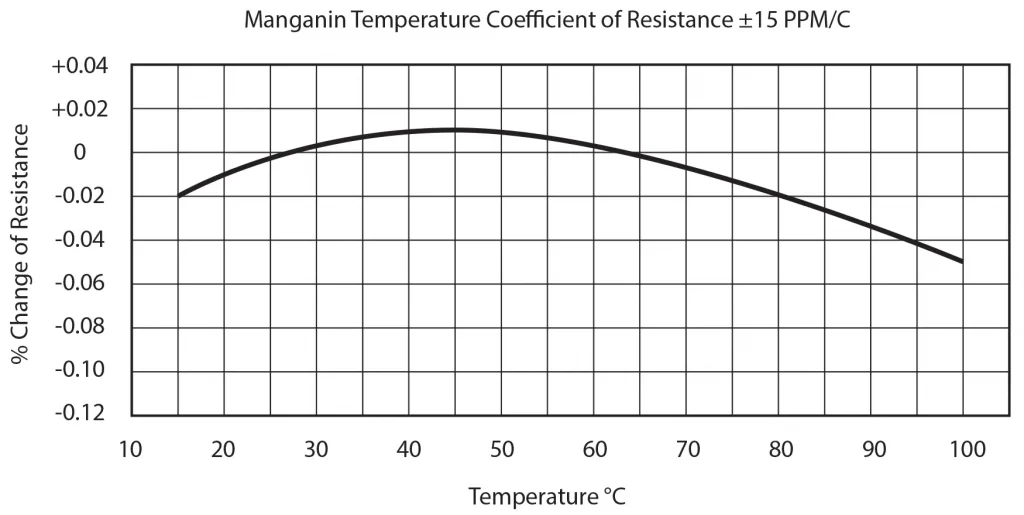
Predictable Performance: Our shunts maintain high accuracy by managing the Temperature Coefficient of Resistance (TCR), minimizing error drift during long-term thermal cycling.
Engineered Longevity: While active Hall sensors rely on aging semiconductors, our passive shunts offer a 15-20 year design life, provided they are installed with proper thermal derating and torque specifications.
Key Industrial Applications for DC Shunts
A generic shunt will fail in a specialized environment. Based on our field engineering data, we have categorized dc shunt applications into four critical industrial sectors, each with unique technical requirements.
1. Renewable Energy & Utility-Scale Storage
In MW-level Battery Energy Storage Systems (BESS), accuracy directly impacts the State of Charge (SoC) calculation. A 1% error in current measurement can lead to thousands of dollars in lost capacity over a year.
- The Challenge: Rapid charge/discharge cycles create internal thermal stress.
- Our Solution: We use high-mass copper terminals to act as heat sinks, ensuring the Manganin element stays within its linear accuracy range.
2. Industrial Electroplating & Electrolysis
This is the harshest environment for any electrical component due to acidic fumes and 24/7 high-duty cycles.
- The Challenge: Galvanic corrosion at the connection points increases resistance, leading to “thermal runaway.”
- Our Solution: We offer Nickel-plated or Tin-plated finishes as standard. This prevents copper oxidation and maintains a low-resistance interface for decades.
3. Robotic Welding & Precision Manufacturing
Welding power supplies generate massive Electromagnetic Interference (EMI) that glitches digital sensors.
- The Challenge: High-frequency noise during the arc-start phase.
- Our Solution: The inherent low-impedance nature of a DC shunt acts as a natural filter. By using shielded twisted-pair (STP) wiring for the 70–100 mVsignal, we achieve rock-solid data even inches away from a welding torch.
4. Heavy-Duty Motor Control & VFDs
For Large (100-1000HP) motors, shunts provide the critical feedback loop for overcurrent protection.
- The Challenge: Mechanical vibration and startup inrush currents (up to $5\times$ rated current).
- Our Solution: Our shunts are designed with a safety factor of 150% for 5-second surges, preventing physical deformation during motor stalls.
| Industry Sector | Typical Range | Critical Specification | Risk Mitigated |
| BESS / BMS | 500–4000 A | 0.25% Accuracy | SoC Drift / Battery Degradation |
| Electroplating | 1000–10000 A | Anti-Corrosion Plating | Thermal Runaway / Fire Hazard |
| Robotic Welding | 100–600 A | High Signal-to-Noise | EMI Interference / Weld Defects |
Technical Requirements: Engineered for Extreme Conditions
Selecting a dc shunt application based only on current rating is a high-risk strategy. To ensure system integrity, engineers must account for the Ambient-to-Component temperature delta.
1. Thermal Management & Derating
In a sealed industrial cabinet, the internal temperature can easily reach 60°C. A shunt operating at full capacity generates its own heat ($I^2R$ losses).
- The Risk: Overheating shifts the resistance value, leading to cumulative measurement errors.
- Expert Insight: Always apply a 33% derating factor for continuous loads (more than 2 hours). For a 1000 A continuous load, we recommend a 1500 A shunt to keep the operating temperature below the critical 85°C threshold where Manganin starts to drift.
2. Environmental Protection Ratings
Industrial floors are not clean rooms. Dust, humidity, and chemical vapors create conductive paths or corrosive buildup.
- Corrosion Resistance: For maritime or chemical dc shunt applications, standard copper terminals will oxidize. We provide Lead-free Tin plating which maintains surface conductivity even in salt-spray environments.
Installation Best Practices: Avoiding the “Hot Spot”
90% of shunt failures occur at the connection interface, not within the Manganin element itself.
- Terminal Preparation: Before mounting, clean the busbar contact surface with a Scotch-Brite pad to remove invisible oxide layers. Apply a thin film of synthetic conductive grease to seal out oxygen.
- The Torque Factor: A loose bolt creates a high-resistance junction. For a typical M12 bolt, use a calibrated torque wrench to reach 40–50 Nm.
- Signal Wiring (Kelvin Connection): Never use the main power bolts for your voltage sensing wires. Always use the dedicated sensing terminals (the smaller screws). This “4-wire” method eliminates the voltage drop of the power connections from your measurement, ensuring you only measure the shunt itself.
| Parameter | Industrial Standard | Leeyd Professional Spec |
| Accuracy Class | 0.5% | 0.25% to 0.1% |
| Max Operating Temp | 70°C | 125°C (Short-term peak) |
| Voltage Drop | 50 mV | 50 / 75 / 100 mV (Customizable) |
| Safety Overload | 120% | 150% (for 5 seconds) |
Case Study: Eliminating Nuisance Tripping in a Tier-3 Data Center UPS
A mission-critical data center reported intermittent “False Overcurrent” trips on their 2000 A DC backup bus. While the validated RMS load was only 1600 A, the high-speed monitoring system frequently flagged threshold violations during peak thermal periods.
The Technical Diagnosis: Our field audit identified that the DC shunt applications were mounted in a “dead air” zone near the cabinet ceiling. Localized temperatures at the shunt terminals reached 95–100°C, pushing the Manganin element beyond its optimized temperature-resistance curve. This caused a +1.2% resistance drift. When combined with high-frequency harmonic noise from the UPS inverters, the cumulative voltage drop surpassed the PLC’s tight 10% safety margin, triggering a nuisance trip.
The Engineering Fix: We replaced the standard units with High-Surface-Area Fin-Cooled Shunts and implemented a Vertical Convection Mounting strategy. This allowed the 1.2 m/s natural airflow within the rack to effectively dissipate the $I^2R$ heat.
The Result: Terminal temperatures stabilized at 58°C ($\Delta T$ reduced by over 40°C). The measurement error dropped to within the rated tolerance, immediately eliminating the false alarms and saving the client an estimated 50,000 USD in unnecessary power module replacements.
Conclusion
Selecting a dc shunt application is a balance between initial accuracy and long-term thermal stability. As industrial systems scale, the reliability of current monitoring depends less on the component itself and more on integrated thermal management and correct installation torque.
To ensure your power infrastructure meets its 15-20 year design life, we recommend verifying three technical benchmarks before procurement:
- Material Grade: Verify the use of high-homogeneity Manganin to ensure a consistent Temperature Coefficient of Resistance (TCR).
- Plating Specifications: Specify Nickel or Tin plating for any environment with relative humidity above $60\%$ to prevent resistive oxide buildup at the terminals.
- Overload Capacity: Ensure the shunt is rated for a 150% short-term surge to account for motor inrush or fault conditions without losing calibration.
At Leeyd, our focus is on the precision of your measurement data. From MW-scale BESS containers to robotic assembly lines, we provide the technical documentation and custom mounting solutions required for stable current sensing in high-EMI environments.
Technical Support & Consulting:
If you require custom voltage drops 50-100mVor specialized mounting for heavy busbars, our engineering team is available for a design review of your specific application.
Last Updated: March 18, 2026