
DC shunts are essential for maintaining electrical systems to keep them safe and operating effectively. A DC shunt is a special resistor that measures current by sensing the small voltage drop across it.
Follow-up care will ensure that your shunt lasts longer and provides correct readings to avoid possible equipment failures. A DC shunt can be relied upon to give accurate current measurements and clean operation with proper calibration, as long as it is kept clean, secure, and properly calibrated.
Understanding DC Shunt Basics
What is DC Shunt?
A DC shunt is a measuring resistor used to determine the flow of electric current in a circuit. It operates by developing a small voltage drop when current passes through it, which can be sensed to determine the amount of current flowing. This enables you to check current safely and correctly without discontinuing the circuit.
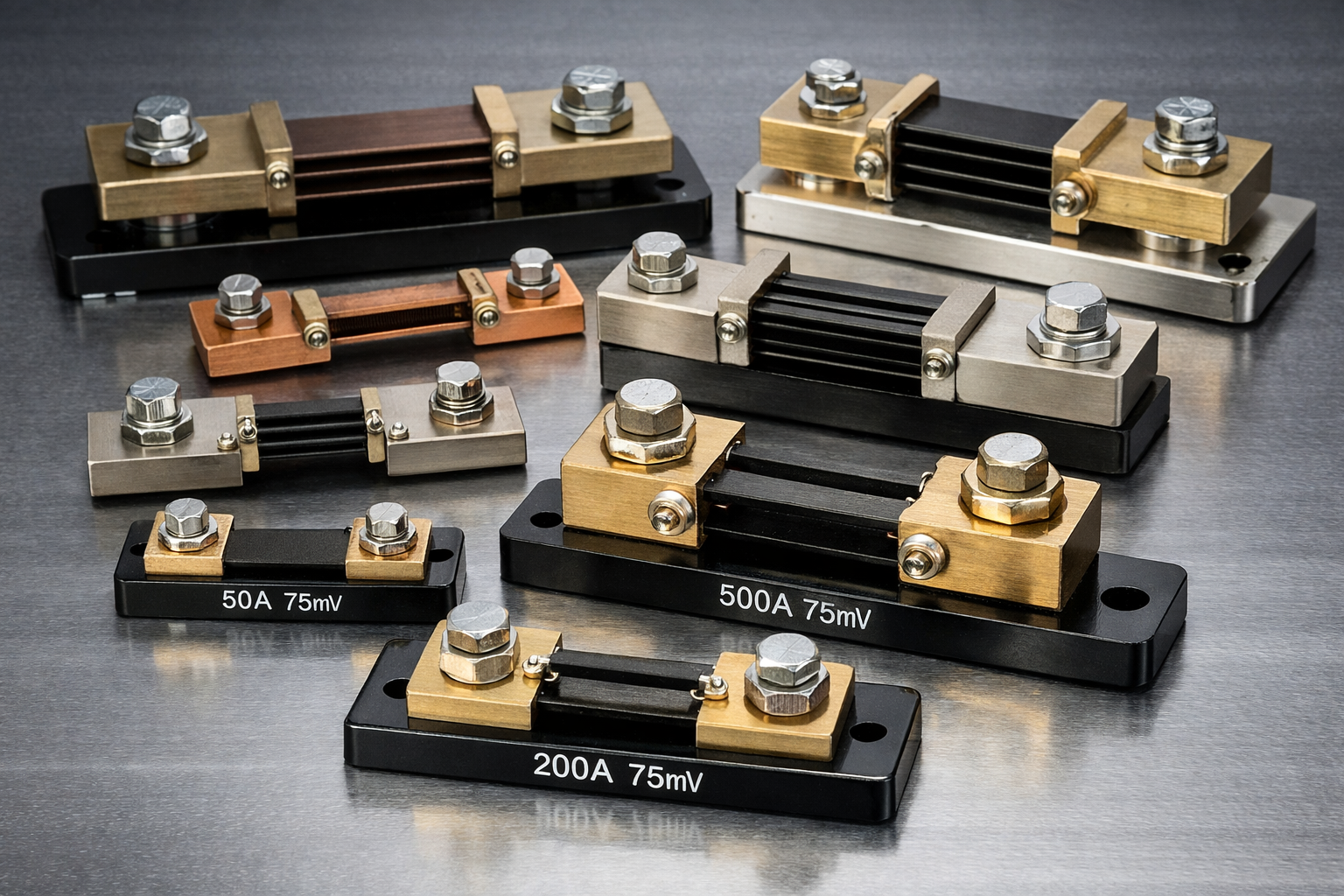
Types of DC Shunts
- Low-current shunts: Ideal for currents below 10 A.
- Medium-current shunts: Suitable for 10–100 A applications.
- High-current shunts: Designed for industrial circuits above 100 A.
Key Components
- Resistance wire: Often made from alloys like manganin or constantan.
- Terminals: Connect to measurement devices.
- Housing: Protects the shunt from environmental factors.
Precision is critical because even minor resistance changes can lead to significant measurement errors.
Common Issues Affecting DC Shunt Performance
Even high-quality DC shunts may be subjected to performance problems when they are not properly maintained:
- Current flow may be affected by dust or dirt on the shunt terminals, which can result in incorrect readings. To ensure proper operation, keep it clean.
- The metal terminals may be corroded by moisture or chemicals. Rust decreases accuracy; therefore, it should be ensured that the shunt remains dry.
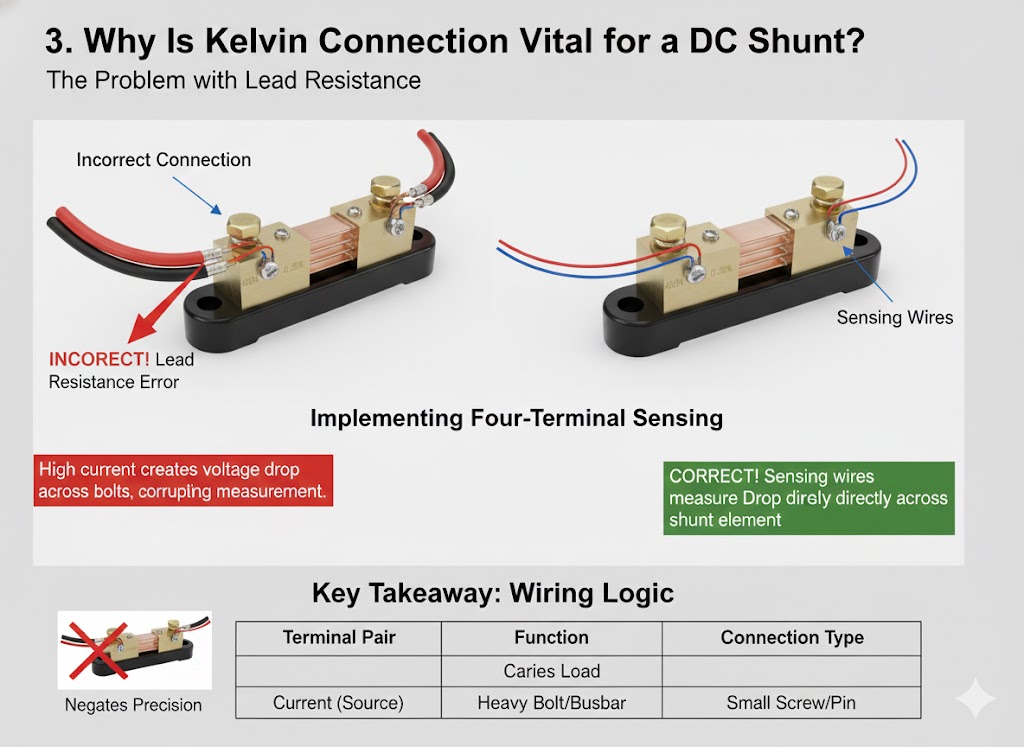
- Screws and terminals have the tendency to loosen with time. Loose connections will lead to inconsistent or inaccurate readings. Tighten them regularly.
- Excessive current may cause the shunt to become very hot. Heat varies the resistance and provides inaccurate measurements. Use the correct shunt for the current.
- The shunt may be affected by hot, cold, or humid climates. Keep it in steady clean conditions in order to take proper readings.
Routine Maintenance Practices for DC Shunts
To maintain proper operation of your DC shunt, check for rust, damage, or loose connections. Wipe the contacts with a soft brush or contact cleaner and ensure the screws are firmly tightened.
Store the shunt in a dust-free, dry environment and avoid extreme temperatures. It is also advisable to test it periodically with a meter in order to ensure that it is measuring current correctly.
Advanced Tips for Optimal Performance
For high-performance or critical applications:
Coating or encasing your DC shunt helps prevent oxidation and corrosion. This maintains the metal contacts and connections in good shape particularly under humid or dusty conditions.
Shunts in high-current use may become very hot. Heat sinks, ventilation, or other cooling mechanisms can be used to control temperature and avoid resistance changes that may alter accuracy.
Shunts may wear out over time despite proper maintenance. To maintain correct readings and prevent unforeseen equipment malfunctions, it is better to replace them before they fail.
A basic record of inspections, cleaning, and calibration assists in the monitoring of the condition of the shunt. Logs facilitate easier identification of patterns or repetitive problems and enhance reliability in general.
Safety Considerations During Maintenance
The use of a DC shunt requires careful attention to safety. It is important to switch off the power before inspecting or washing it and wear gloves and goggles for protection.
Do not touch the terminals with bare hands, and ensure any stored electricity in the circuit is discharged before maintenance.
Signs It’s Time to Replace Your DC Shunt
Consider replacing a DC shunt if:
The shunt may be worn out or damaged if it shows varying readings for the same current. This is an obvious indication that it requires replacement.
The shunt may show cracks, discoloration, or burn marks. Further use might result in wrong measurements or failure.
If you have to calibrate the shunt very frequently to maintain accuracy, it may be losing its precision. Its replacement guarantees sound measurements.
Shunts that are properly maintained eventually deteriorate. In case the shunt is old and past the age of recommended operation, it is better to replace the shunt rather than risk measurement errors or equipment damage.
Conclusion
It is a good idea to maintain your DC shunt regularly to ensure accurate measurements and equipment safety .Inspecting for damage, cleaning the terminals, tightening contacts, and regularly verifying the functionality of the shunt will help avoid problems and ensure reliable long-term use.
Reliability and performance are also enhanced with the use of quality DC shunt. Visit our list of high quality and reliable DC shunts at LEEYDTECH to maintain a smooth and safe operation of your systems.
FAQs
Q. How often should I calibrate my DC shunt?
It’s best to calibrate your DC shunt every 6 to 12 months, depending on how often you use it and the conditions it’s kept in.
Q. Can I clean a DC shunt while it is powered?
No. Always turn off the power and discharge any stored electricity in the circuit before cleaning to stay safe.
Q. Why do DC shunt readings sometimes drift?
Readings can drift because of temperature changes, corrosion, loose connections, or if the shunt has been overloaded.
Q. Can all DC shunts handle high current?
No. Only DC shunts rated for high-current use can safely handle large currents without overheating or getting damaged.
 Chinese
  English
  Russian
  Spanish
  Turkish
  Korean
  Japanese