
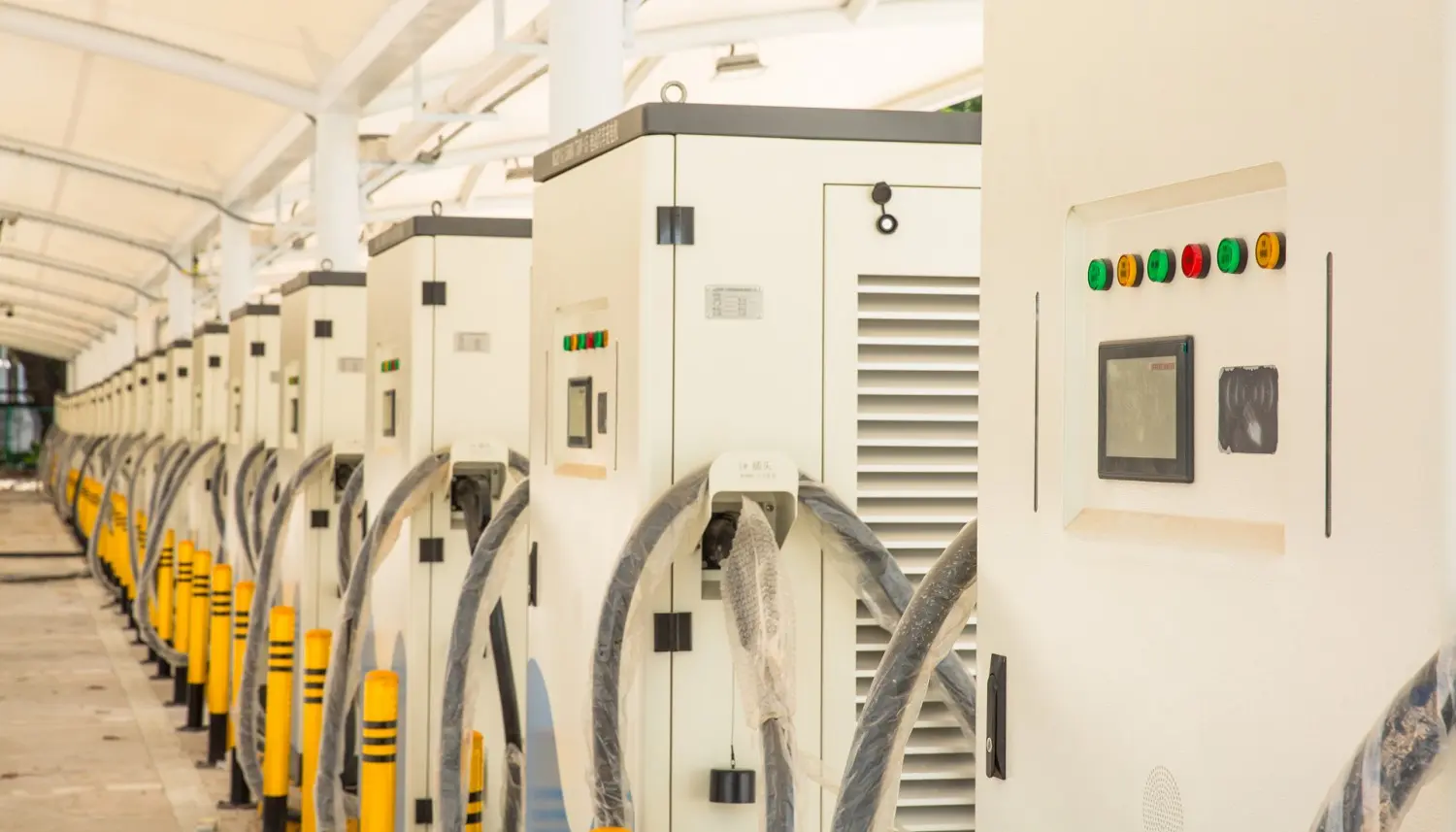
A DC current shunt for energy storage and EV systems is used to measure high DC current in battery cabinets, DC fast charging equipment, inverter systems, power conversion units, and industrial DC distribution panels. In these applications, the shunt provides a stable millivolt signal that can be read by a meter, controller, BMS, charger, or monitoring system.
Compared with simple panel-meter applications, energy storage and EV-related equipment usually has higher current, stronger thermal requirements, more compact cabinet layouts, and stricter installation constraints. Buyers need to confirm not only the rated current, but also the millivolt output, busbar layout, mounting method, terminal design, and operating environment.
LEEYD supplies standard and custom DC current shunts for battery systems, welding equipment, EV-related equipment, energy storage, switchgear, industrial power systems, and test equipment.
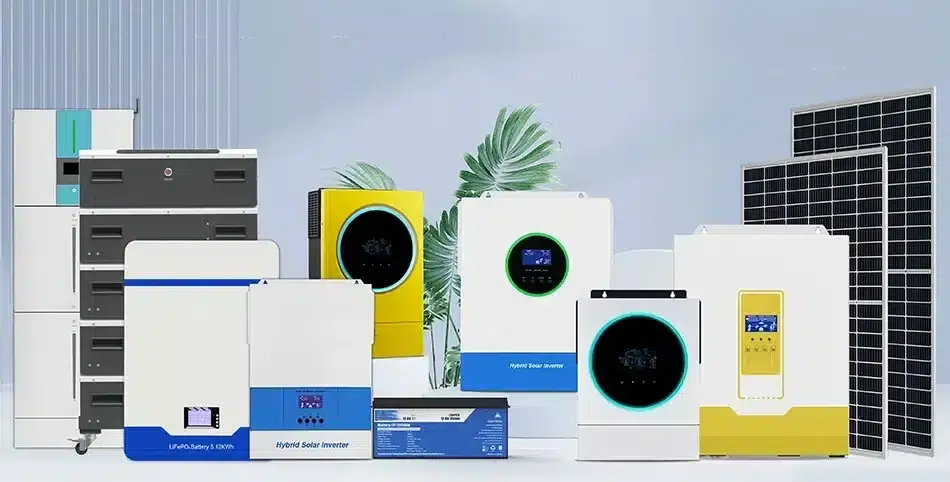
Where DC Shunts Are Used in Energy Storage and EV Systems
In energy storage and EV-related systems, the shunt is installed in series with the DC current path. The measurement signal is then sent to a monitor, protection device, controller, or data acquisition system. The exact position depends on the system architecture and the purpose of the measurement.
| Application | Measurement Purpose | Typical Selection Focus |
|---|---|---|
| Battery energy storage cabinet | Charge and discharge current monitoring | Continuous current, heat dissipation, cabinet layout |
| DC fast charging equipment | Output current measurement and system feedback | Peak current, vibration, busbar connection, accuracy |
| Solar inverter or PCS system | DC input/output current measurement | Rated current, voltage drop, installation space |
| EV battery test equipment | High-current testing and calibration support | Accuracy class, thermal stability, terminal design |
| Industrial DC distribution panel | DC bus current monitoring | Busbar layout, mounting holes, insulation distance |
Key Specifications to Confirm
A DC shunt in an energy storage or EV system should be selected according to the real operating profile. A nominal current value alone is not enough, because the same current rating can behave differently under short peak loads, long duty cycles, or enclosed cabinet temperatures.
| Specification | What to Confirm | Why It Matters |
|---|---|---|
| Rated current | Continuous current, peak current, overload duration | Prevents overheating and unstable readings |
| Voltage drop | 50mV, 60mV, 75mV, 100mV, or custom output | Must match the meter, BMS, charger, or controller input |
| Accuracy class | Monitoring, control, testing, or calibration requirement | Affects current feedback and system reporting |
| Power dissipation | Heat generated at rated current | Important for closed battery cabinets and EV charging systems |
| Busbar layout | Connection direction, hole position, copper terminal size | Determines whether the shunt fits the existing cabinet design |
| Sense terminals | Signal connection method and polarity | Helps reduce measurement error from high-current paths |
| Operating environment | Temperature, vibration, cabinet ventilation, duty cycle | Influences long-term stability and mechanical reliability |
For a broader selection process, see the DC current shunt selection guide.
Why Millivolt Output Matters
The shunt output must match the measurement device. For example, a 500A/75mV shunt and a 500A/50mV shunt are not the same. If the controller, BMS, or meter is configured for the wrong full-scale millivolt value, the displayed current can be inaccurate.
In energy storage and EV systems, common outputs include 50mV, 60mV, 75mV, and 100mV. A higher millivolt output may make the signal easier to read, but it also increases voltage drop and heat at the same current. A lower output reduces loss, but the measurement device must be able to read the signal accurately.
If the project involves replacing an existing shunt, confirm both the ampere rating and the millivolt rating printed on the part. The 75mV shunt guide explains how full-scale output affects meter matching and replacement decisions.
Thermal Design and Continuous Current
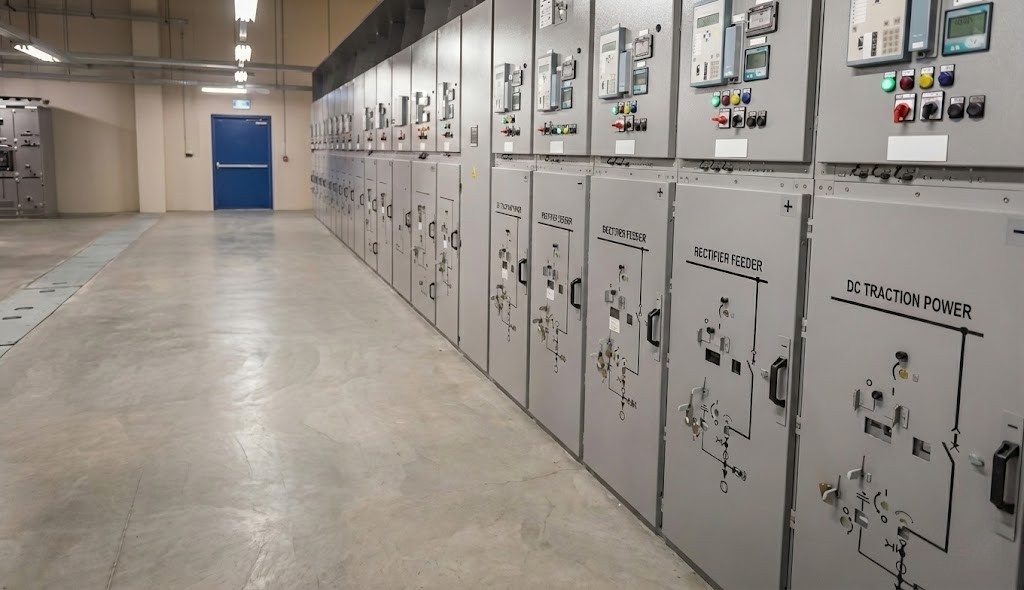
High-current DC systems can generate significant heat inside cabinets. Even when the shunt is correctly rated, installation conditions can affect long-term stability. Cable size, busbar contact, airflow, surrounding components, and duty cycle should all be considered.
For continuous operation near rated current, buyers should confirm the expected working current instead of only the maximum system current. If the system has repeated charge and discharge cycles, short overload events, or limited ventilation, the shunt design may need extra thermal margin.
Wiring and Sensing-Terminal Considerations
The main terminals carry high current, while the sense terminals send the millivolt signal to the instrument. Inaccurate readings can happen if the sense wires are connected to the wrong point, reversed in polarity, or routed through noisy high-current areas.
- Connect the shunt in series with the measured DC current path.
- Confirm whether the system uses low-side or high-side measurement.
- Connect sense leads to the dedicated sensing terminals where available.
- Check polarity before powering the monitor or controller.
- Keep the signal wiring suitable for the electrical environment.
For connection examples, see the DC shunt wiring diagram article.
When a Custom DC Shunt Is Needed
Standard shunts are suitable when the current rating, mV output, mounting style, and dimensions match the equipment. However, energy storage and EV projects often require custom mechanical layouts because cabinets, copper busbars, and connection directions vary by project.
A custom design may be needed when the project requires a special current rating, non-standard voltage drop, different terminal material, compact dimensions, special hole spacing, or a busbar layout that must match an existing cabinet. LEEYD can support custom DC shunt requirements based on current rating, voltage drop, accuracy, dimensions, mounting holes, terminal material, and busbar layout.
RFQ Checklist for ESS and EV Projects
| Item | Information to Provide |
|---|---|
| System type | Battery cabinet, EV charger, inverter, PCS, test equipment, or DC panel |
| Current profile | Continuous current, peak current, overload duration, duty cycle |
| Output requirement | 50mV, 60mV, 75mV, 100mV, or custom mV output |
| Accuracy requirement | Monitoring, control, billing-related reference, or test use |
| Mechanical layout | Dimensions, hole spacing, busbar direction, terminal position |
| Installation environment | Cabinet temperature, ventilation, vibration, available space |
| Reference material | Drawing, photo, old shunt sample, instrument model, quantity |
You can also use the custom DC shunt RFQ checklist to prepare the details needed for quotation and model recommendation.
FAQ
What type of DC shunt is used in energy storage systems?
Energy storage systems often use high-current DC shunts selected by continuous current, millivolt output, accuracy, cabinet layout, and thermal condition. The exact structure depends on the battery cabinet, inverter, PCS, or DC distribution design.
Can a DC shunt be used in EV charging equipment?
Yes. DC shunts can be used for current measurement in EV charging and EV-related test equipment when the shunt rating, output, accuracy, and installation design match the system requirements.
Is 75mV better than 50mV for ESS or EV systems?
Not always. The correct output depends on the monitor or controller input. A 75mV shunt gives a different full-scale signal from a 50mV shunt, so the measurement device must support the selected output.
When should I request a custom shunt for an energy storage project?
Request a custom shunt when standard current ratings, dimensions, terminal structures, hole spacing, or mV outputs do not fit the battery cabinet, busbar layout, or monitoring equipment.
Request a DC Shunt for Energy Storage or EV Equipment
To recommend a suitable shunt, LEEYD needs the system type, rated current, peak current, voltage drop, accuracy requirement, mounting dimensions, terminal layout, and working environment. If you already have a drawing, cabinet photo, or old shunt sample, it can help confirm the model or custom structure more quickly.
Send your energy storage or EV-related DC current measurement requirements to LEEYD for standard model selection or a custom DC shunt proposal.