

Technical Insights for Electrical Power Systems
Practical guides on surge protection, current measurement, electrical instruments, product selection, testing, and industrial applications.
Ask an EngineerLatest Publications
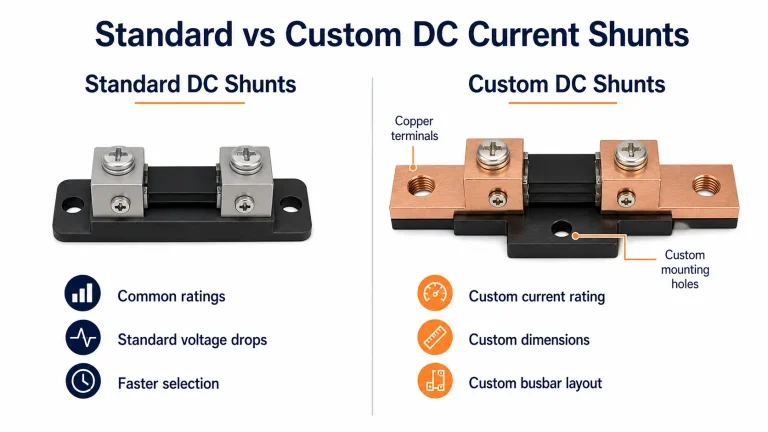
Custom DC Shunts: What Buyers Should Confirm Before Ordering
Learn what buyers should confirm before ordering custom DC shunts, including current rating, mV output, accuracy, heat, terminals, dimensions, and busbar layout.
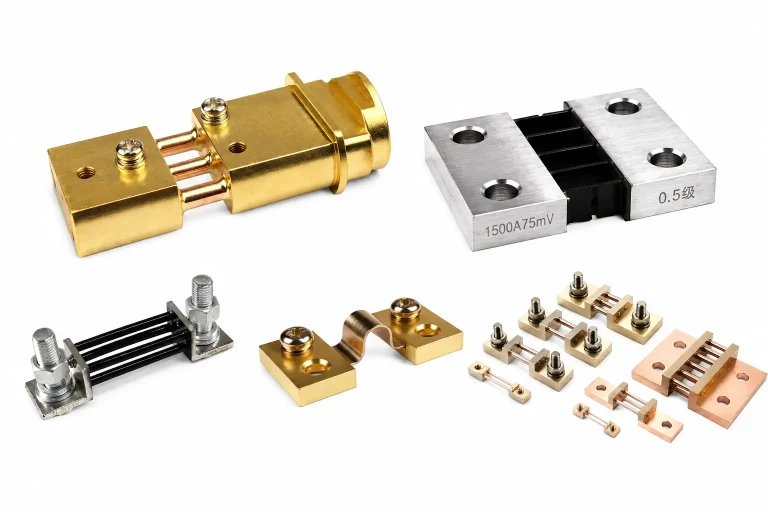
How to Choose a DC Current Shunt for Accurate Current Measurement
Learn how to choose a DC current shunt by current rating, voltage drop, accuracy, mounting style, material, and application requirements.
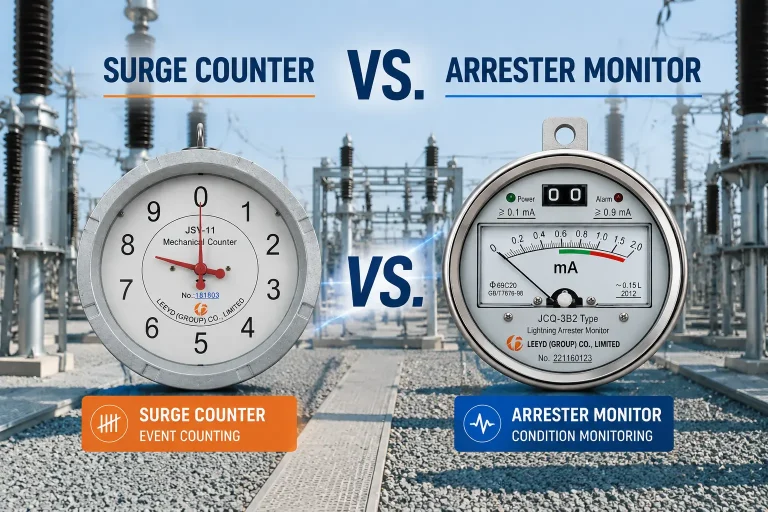
Surge Counter vs. Arrester Monitor: Functions and Selection
Compare event counts, leakage-current indication, alarms, communications, and verification needs. Select the right monitoring level.
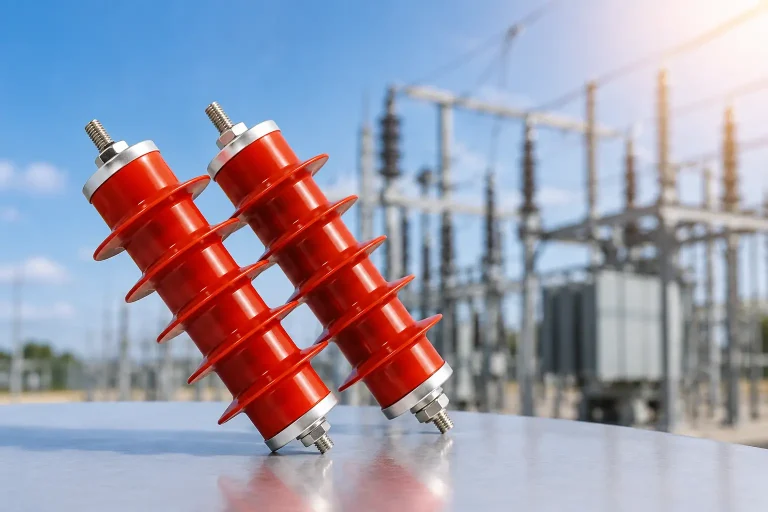
How to Select a Zinc Oxide Surge Arrester for a 10kV System
Check grounding, MCOV, temporary overvoltage, housing, and dimensions before selecting a 10kV zinc oxide arrester. Review the models.

DC Current Shunt Applications: Requirements Across Industrial Systems
Compare duty cycle, signal, mounting, and validation needs for DC shunts in welding, batteries, switchgear, power, and test systems.

Custom DC Shunt RFQ Checklist: Data Buyers Must Provide
Prepare current, mV output, accuracy, duty cycle, dimensions, testing, and quantity for a custom DC shunt RFQ. Review the checklist.
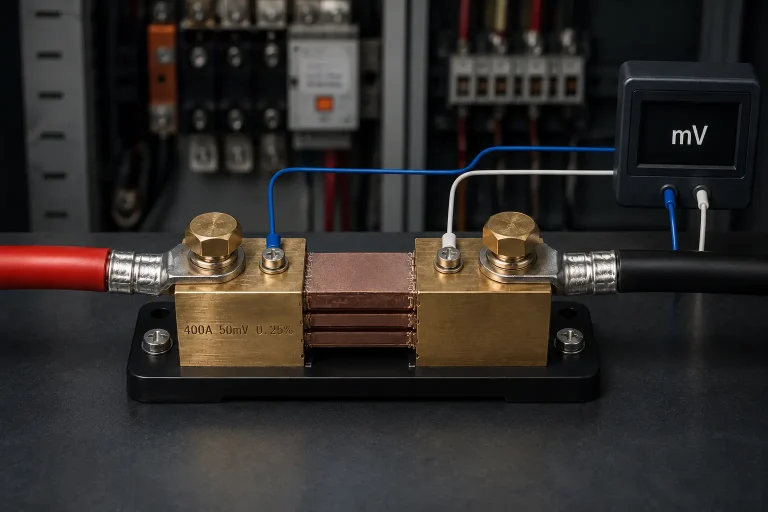
How Does a DC Current Shunt Work? Principle, Wiring, and Output
Learn how a DC current shunt converts high current into a millivolt signal, how meters read output, and why four-terminal measurement matters.
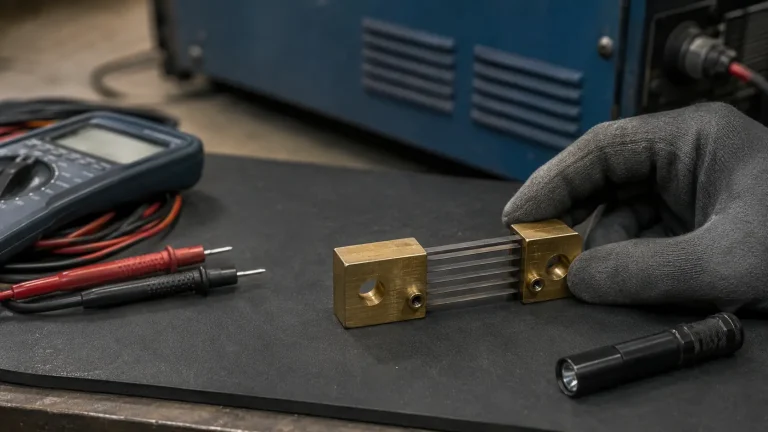
Shunt Welding Machine Troubleshooting: 5 DC Current Checks
Troubleshoot shunt welding machine current problems by checking meter ratio, sense wiring, millivolt output, terminal heating, and EMI.
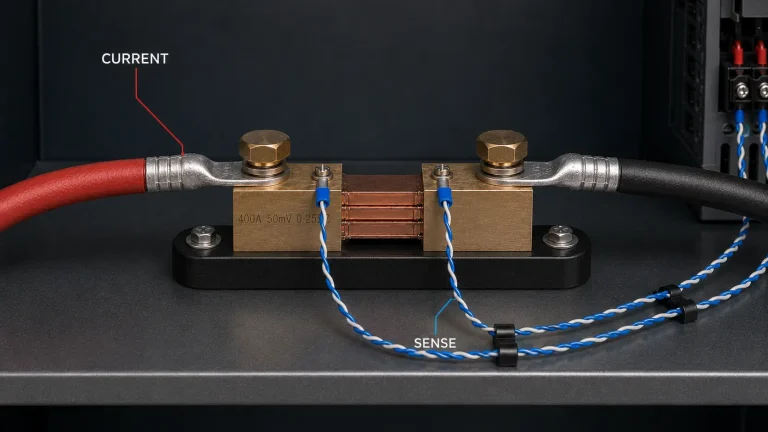
DC Shunt Wiring Diagram: How to Wire a Shunt Safely
Correct DC shunt wiring separates the main current path from the millivolt sensing circuit. Learn how to connect current terminals, sense leads, meter polarity, and matching shunt ratings.
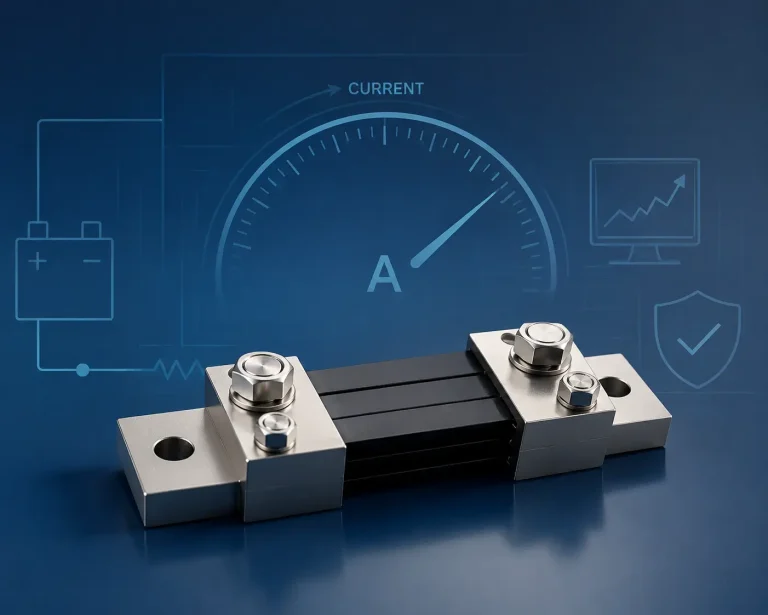
How to Select a DC Current Shunt: A Practical Guide for OEM Engineers
Choose by current, mV output, accuracy, duty cycle, dimensions, and mounting. Review the OEM selection checklist.
Need Help Selecting the Right Component?
Share your system voltage, current range, technical specifications, or application requirements. Our engineering team will review the information and help identify a suitable product or configuration.
Email Us
[email protected]Call Us
+8618913393116Headquarters
701 Tianyin Avenue, Jiangning District, Nanjing, China