

Technical Insights for Electrical Power Systems
Practical guides on surge protection, current measurement, electrical instruments, product selection, testing, and industrial applications.
Ask an EngineerLatest Publications
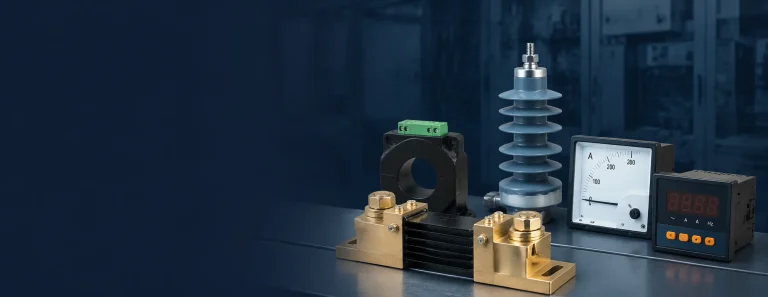
DC Shunt vs Hall Effect Current Sensor: Which Is Better for Current Measurement?
Compare DC shunts and Hall effect current sensors for industrial current measurement, including isolation, output signal, accuracy, heat, wiring, and selection points.
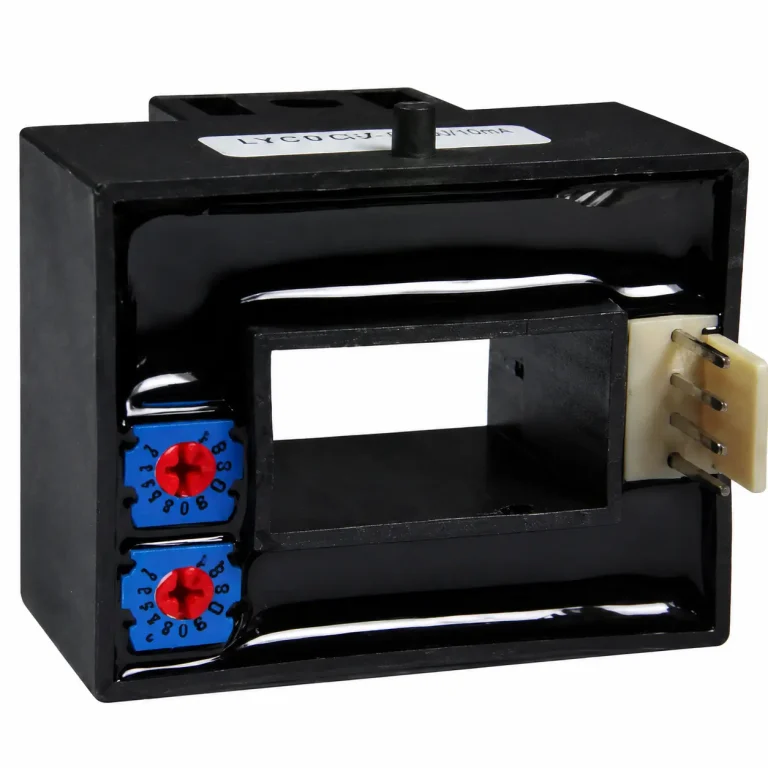
Hall Current Sensor Output Signals: Voltage, Current and Switch Output Explained
Compare Hall current sensor output signals, including voltage output, current output, transmitter output, and switch output for PLCs, meters, controllers, and alarm circuits.
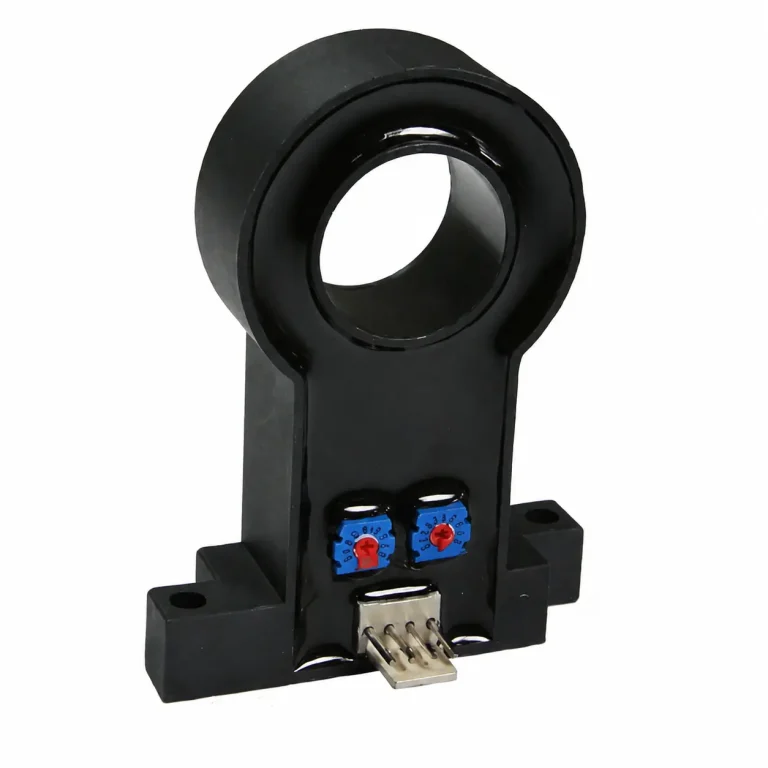
How to Select a Hall Current Sensor: Input Current, Output Signal and Accuracy
Learn how to select a Hall current sensor by input current, output signal, accuracy, aperture size, power supply, mounting method, and application conditions.
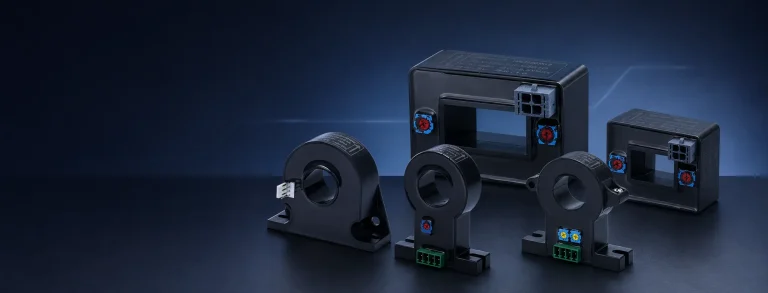
Hall Effect Current Sensor for DC and AC Current Measurement
Learn how Hall effect current sensors measure DC, AC, pulse, and irregular current, including output signal, current range, accuracy, aperture, and selection points.
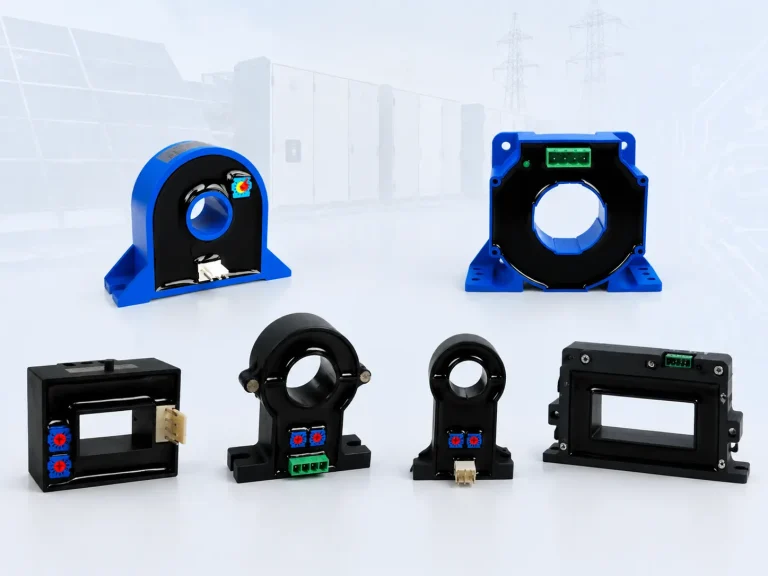
Open Loop vs Closed Loop Hall Effect Current Sensors: How to Choose
Compare open loop and closed loop Hall effect current sensors, including accuracy, response time, output signal, current range, drift, and selection points for industrial current measurement.
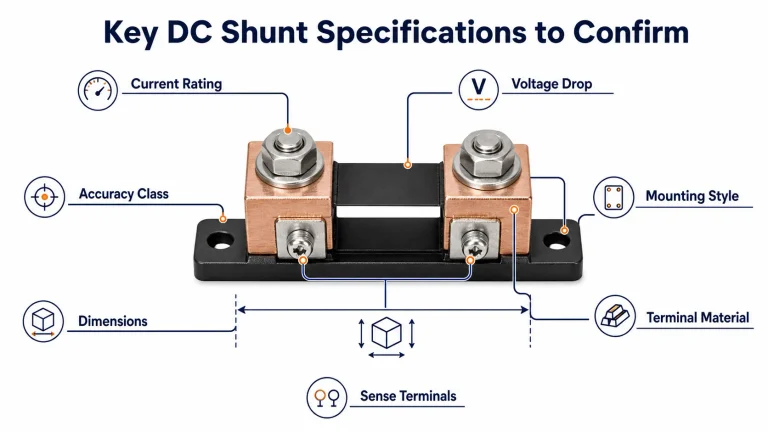
50mV vs 75mV Shunt: How to Choose the Right DC Output
Compare 50mV vs 75mV shunt options and see where 100mV fits, including meter matching, voltage drop, heat, accuracy, and replacement risk.
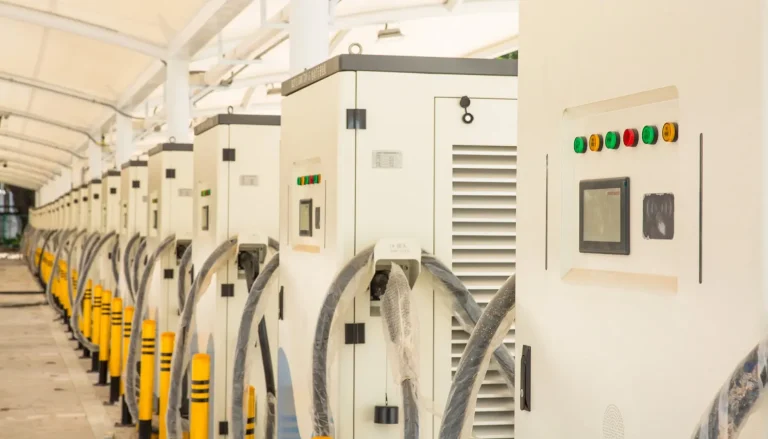
DC Current Shunt for Energy Storage and EV Systems
Learn how to choose a DC current shunt for energy storage, EV charging, battery cabinets, inverters, and high-current DC monitoring systems.
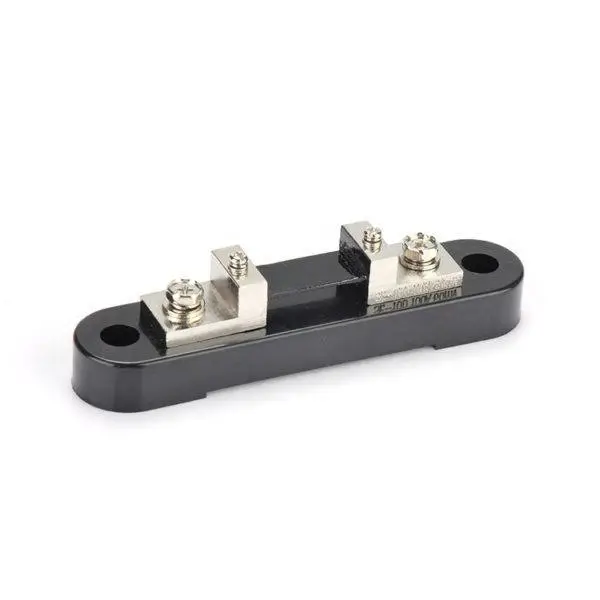
DC Shunt for Battery Monitoring Systems: Selection and Wiring Considerations
Learn how to choose a DC shunt for battery monitor systems by current rating, mV output, wiring method, heat, accuracy, and custom installation needs.
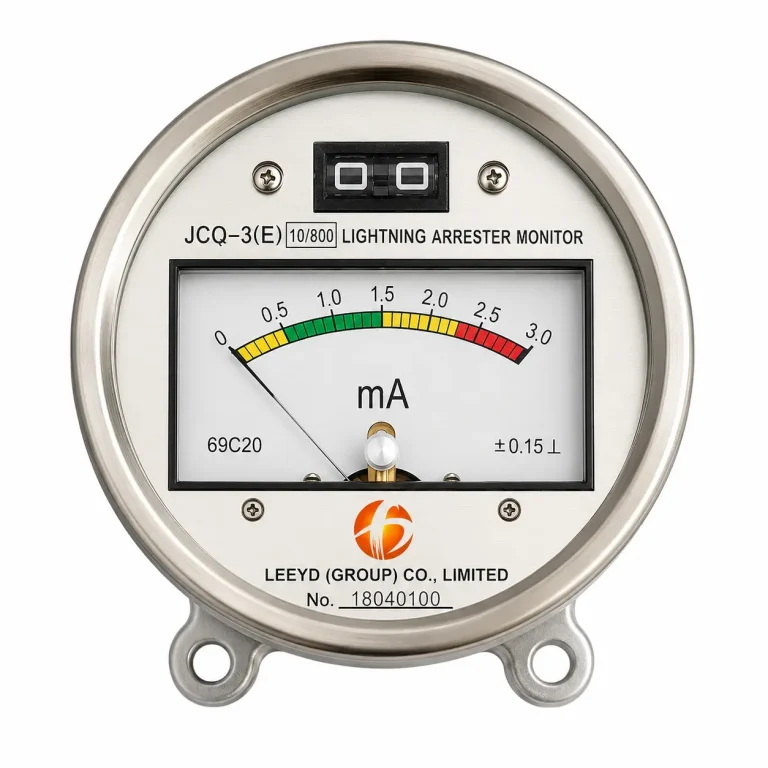
Mechanical vs Digital Arrester Monitors: What Is the Difference?
Compare mechanical and digital arrester monitors, including display method, leakage current monitoring, surge counting, alarms, remote data, and selection requirements.
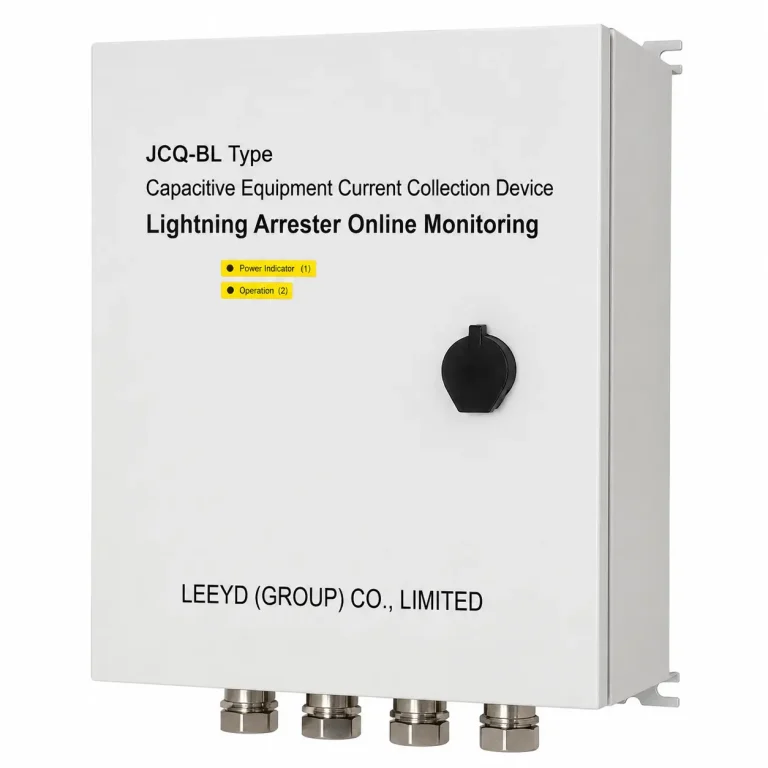
Arrester Leakage Current Monitoring: What Utility Buyers Should Know
Learn what an arrester leakage current monitor does, where it is used, what utility buyers should specify, and how to choose local or online monitoring.
Need Help Selecting the Right Component?
Share your system voltage, current range, technical specifications, or application requirements. Our engineering team will review the information and help identify a suitable product or configuration.
Email Us
[email protected]Call Us
+8618913393116Headquarters
701 Tianyin Avenue, Jiangning District, Nanjing, China